Introduction
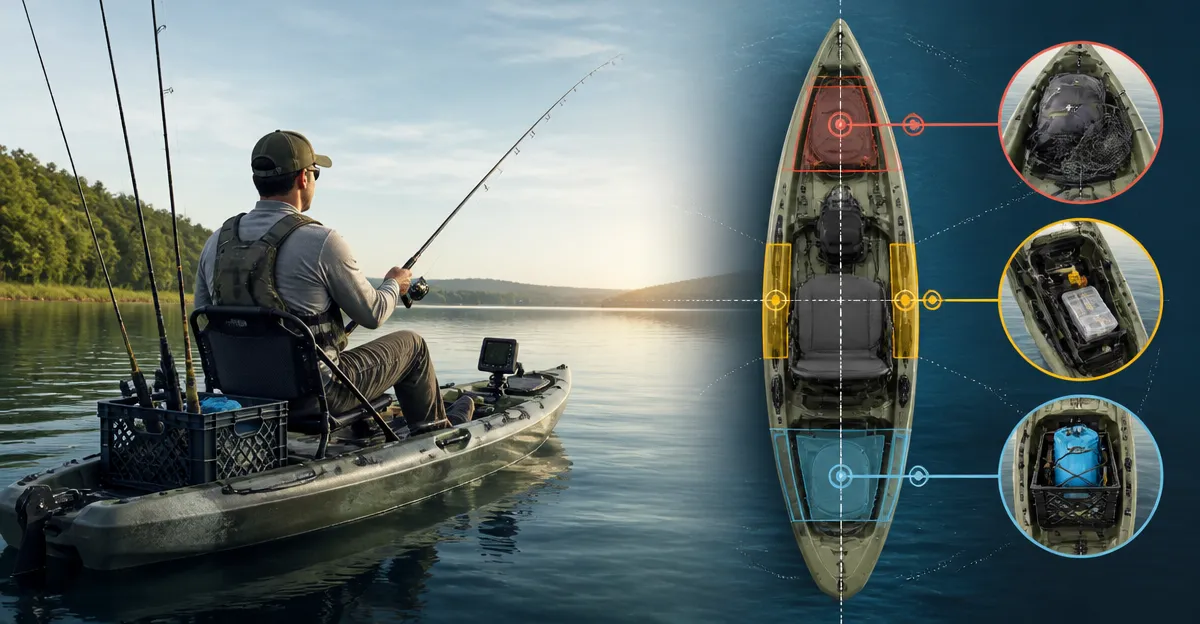
This guide explores the critical topic of weight distribution on fishing kayaks. Readers will learn how to position gear, passengers, and tackle to achieve optimal stability. The article combines scientific principles with real‑world product examples. By the end, anglers will be equipped to select the right kayak and apply proven techniques for safe, efficient fishing.
Background and Context
Stability on a kayak is governed by three primary forces: buoyancy, center of gravity, and hull shape. Buoyancy is provided by the displaced water, while the center of gravity shifts as weight is added. A low, centered gravity point reduces roll and improves tracking. The hull design—tunnel, flat‑bottom, or multi‑chine—determines how the vessel reacts to weight shifts. Understanding these fundamentals enables anglers to make informed loading decisions.
For sit‑on‑top models, the deck layout often includes gear rails, bungee cords, and rod holders that influence where equipment can be secured. The ergonomic seating system, such as Pelican’s ERGOBOOST™ or Lifetime’s padded seat, also affects weight balance. Selecting a kayak with a wide, flat platform typically offers greater stability but may sacrifice speed.
Key Concepts for Effective Weight Distribution
Anglers should consider the following concepts when loading a fishing kayak:
- Center of Gravity (CG): Keep the CG low and near the centerline of the hull. Heavy items belong near the floor and close to the middle.
- Fore‑Aft Balance: Distribute weight evenly between bow and stern. Too much weight forward can cause the bow to dip, while excess aft weight may lift the bow, reducing tracking.
- Side‑to‑Side Symmetry: Load gear equally on both rails to prevent a list that can lead to capsizing in rough water.
- Dynamic Loads: Account for movement while paddling; shifting weight during casting can destabilize an improperly loaded kayak.
Product Recommendations Aligned with Weight Distribution Principles
Choosing a kayak that incorporates thoughtful design features simplifies the balancing act. The following products exemplify best‑in‑class solutions.
First, the Pelican Catch Mode 110 offers a tunnel hull and a wide, flat deck platform that naturally lowers the center of gravity. Its ERGOBOOST™ seating system raises the paddler to an ergonomic height while providing under‑seat storage, allowing heavy gear to remain low. The dual 4" gear rails and three flush‑mount rod holders enable symmetric placement of tackle, supporting side‑to‑side balance.
The Lifetime Tamarack Angler 100 features a stable flat‑bottom hull and multiple footrest positions, which help fine‑tune fore‑aft balance for different rider weights. Its included paddle keeper and two 6" storage compartments keep gear centralized, while the skeg ensures straight tracking even when weight shifts occur.
For anglers prioritizing portability, the Pelican Sentinel 100X weighs only 44 lb yet retains a multi‑chine flat‑bottom hull that delivers stability. The removable ExoPak storage compartment fits into the tank well, keeping heavy items low and centered. Its maximum capacity of 275 lb provides ample margin for gear without compromising buoyancy.
Lastly, the Pelican Catch Classic Angler incorporates four‑inch rigging tracks, a front quick‑lock hatch, and a tank well with bungee cords. These features enable anglers to secure heavy equipment close to the hull, reducing roll. The molded paddle rest and adjustable footrests further assist in maintaining a balanced posture.
Comparison and Selection Guide
| Feature | Pelican Catch Mode 110 | Lifetime Tamarack Angler 100 | Pelican Sentinel 100X | Pelican Catch Classic Angler |
|---|---|---|---|---|
| Length | 10’8" (3.25 m) | 9’6" (approx.) | 9’6" | 10’ (approx.) |
| Weight | 67 lb | ~50 lb | 44 lb | ~70 lb |
| Max Capacity | 320 lb | 200 lb | 275 lb | 400 lb |
| Hull Type | Tunnel hull | Flat bottom with deep tracking channels | Multi‑chine flat bottom | Wide flat hull |
| Seating System | ERGOBOOST™ | Adjustable padded seat | Ergolounge™ | Adjustable ergonomic seat |
| Price (USD) | $882.04 | $499.99 | $502.41 | $699.99 |
| Amazon Rating | 4.6/5 (347 reviews) | 4.4/5 (1,343 reviews) | 4.4/5 (534 reviews) | 4.2/5 (44 reviews) |
Anglers who prioritize maximum stability and cargo capacity may favor the Pelican Catch Classic Angler, despite its higher weight. Those seeking a balance of portability and performance might select the Sentinel 100X. The Lifetime Tamarack Angler 100 offers an excellent entry point for budget‑conscious anglers without sacrificing essential stability features.
Best Practices & Tips for Stable Fishing
- Position the heaviest gear—such as batteries, coolers, and tackle boxes—directly over the hull’s centerline and as low as possible.
- Secure all items with bungee cords or gear rails to prevent shifting during sudden maneuvers.
- Use the adjustable footrests to align your stance with the kayak’s center of gravity, reducing torso lean.
- Engage the skeg (if equipped) when paddling in windy conditions to maintain a straight course and avoid side drift.
- Test the fore‑aft balance by gently rocking the kayak while on shore; the bow and stern should sit at similar heights.
- When fishing with a dog or a passenger, distribute their weight evenly and keep them seated near the middle to avoid excessive trim.
Frequently Asked Questions
- How much gear can a typical fishing kayak carry without compromising stability? Most sit‑on‑top models support 250‑350 lb of combined weight. Distribute this load evenly and keep the heaviest items low.
- Is a wider hull always better for stability? A wider hull lowers the center of gravity and increases primary stability, but it may reduce speed and maneuverability. Choose based on water conditions and intended use.
- Can I add a motor to a kayak designed for fishing? Models with a stern transom, such as the Pelican Catch Mode 110, support outboard engines up to 2.5 HP. Ensure the total weight remains within the manufacturer’s capacity.
- What is the role of a skeg in weight distribution? A skeg improves directional tracking and reduces side‑to‑side drift, especially when weight is shifted forward or aft during casting.
- How do I prevent my kayak from tipping when standing? Keep the center of gravity low, use a wide deck, and limit standing time in rough water. The anti‑slip deck pads on Pelican models provide additional footing security.
- Should I invest in additional seating accessories? Upgrading to a stadium‑style seat can increase comfort on long trips, but ensure the accessory does not raise the center of gravity excessively.
- What maintenance helps retain stability over time? Regularly inspect hull integrity, clean any debris from the bottom, and verify that bungee cords and gear rails remain tight.
Conclusion
Effective weight distribution is the cornerstone of safe and productive fishing from a kayak. By understanding buoyancy, center of gravity, and hull dynamics, anglers can load gear strategically, select a kayak that matches their stability needs, and enjoy confident paddling in diverse conditions. The products highlighted in this guide each embody design elements that facilitate balanced loading, allowing anglers to focus on the pursuit rather than the platform.
Products Featured in This Guide
Pelican Catch Mode 110
Price: $882.04 | Rating: 4.6/5 (347 reviews)
Featured for its tunnel hull, wide deck, ERGOBOOST™ seating, and generous cargo rails that support optimal weight distribution.
Lifetime Tamarack Angler 100
Price: $499.99 | Rating: 4.4/5 (1,343 reviews)
Highlighted for its flat‑bottom hull, adjustable padded seat, and built‑in storage that aid fore‑aft balance for solo anglers.
Pelican Sentinel 100X
Price: $502.41 | Rating: 4.4/5 (534 reviews)
Chosen for its lightweight construction, multi‑chine hull, and removable ExoPak that keep heavy items low and centered.
Pelican Catch Classic Angler
Price: $699.99 | Rating: 4.2/5 (44 reviews)
Included for its high weight capacity, extensive gear rails, and storage hatch that facilitate balanced loading for larger groups or dogs.