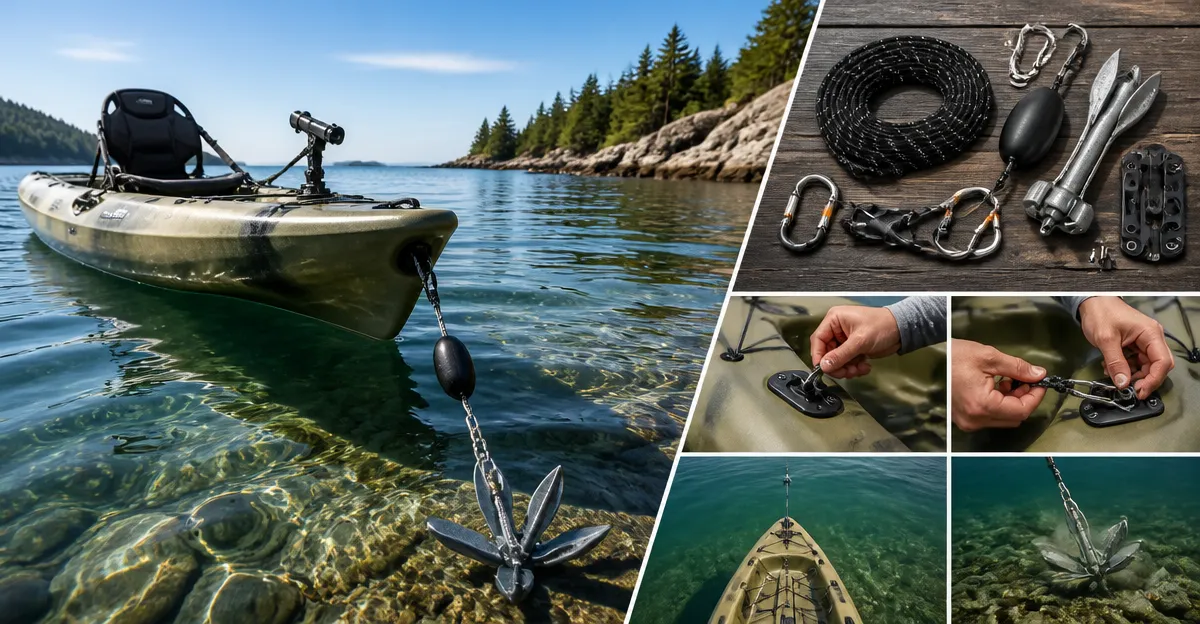
Ultimate Kayak Anchor Systems Installation Guide: Step‑by‑Step Setup for Secure, Stable Anchoring
Introduction
Anchoring a kayak, paddle board, or small boat is essential for safety, comfort, and effective fishing. This guide explains the fundamentals of anchoring, walks the reader through a systematic installation process, and presents expert recommendations for the best products on the market. Readers will learn how to assess water conditions, select an appropriate anchor, and execute a reliable deployment technique. By the end of the article, one will be equipped to anchor confidently in lakes, rivers, and coastal waters.
Background and Context
Anchors function by converting vertical weight into horizontal resistance, allowing the vessel to remain stationary despite wind or current. The key variables influencing performance are anchor weight, fluke design, rope material, and the type of seabed. Modern folding grapnel anchors combine compact storage with strong holding power, making them ideal for portable watercraft. Understanding the interaction between these variables helps the paddler avoid common failures such as dragging or excessive rope slack.
Choosing the Right Anchor System
When selecting an anchor, one must consider vessel size, typical water conditions, and personal budget. For most single‑person kayaks, a 3.5 lb folding grapnel provides sufficient holding power while remaining lightweight. If the user frequently encounters muddy or weedy bottoms, a four‑fluke design offers better penetration. The table below summarizes the most popular options available today.
| Product | Weight | Rope Length | Rating | Price (USD) |
|---|---|---|---|---|
| Gradient Fitness Kayak Anchor Kit | 3.5 lb | 25 ft | 4.7/5 (4,418 reviews) | 34.99 |
| CHERAINTI Kayak Anchor | 3.5 lb | 40 ft | 4.7/5 (60 reviews) | 26.99 |
| SeaSense Folding Grappling Anchor | 1.5 lb | Not included (requires separate chain) | 4.2/5 (214 reviews) | 10.18 |
| Best Marine Kayak Anchor | 3.5 lb | 40 ft | 4.6/5 (2,646 reviews) | 36.95 |
| BeGrit Kayak Anchor | 1.5 lb | 32.8 ft | 4.6/5 (1,088 reviews) | 19.69 |
Each of these anchors meets the basic requirement of a foldable, high‑holding‑power design, yet they differ in rope length, material, and ancillary accessories. The following sections describe how to install any of these systems correctly.
Installation Steps
Regardless of the specific model, the installation process follows a consistent sequence. The steps below assume a typical single‑person kayak with a bow eyelet or clevis.
- Inspect the Anchor and Rope. Verify that the flukes are free of debris and that the rope is free of frays. The Gradient Fitness Kayak Anchor Kit includes a braided polyethylene rope that floats, making visual checks straightforward.
- Attach the Carabiner or Shackle. Slide the stainless‑steel carabiner through the anchor’s eyelet, then clip it onto the kayak’s bow clevis. The CHERAINTI Kayak Anchor provides a reinforced stainless‑steel carabiner that resists corrosion.
- Run the Rope. Feed the rope through the bow eyelet, ensuring a smooth bend without sharp angles. For longer ropes, such as the 40‑ft line on the Best Marine Kayak Anchor, allow enough slack for a proper scope ratio (typically 7:1).
- Secure the Rope End. Tie a bowline knot or use the built‑in eyelet on the rope’s end, then attach a buoy if included. The buoy on the Gradient Fitness kit is bright green, aiding recovery in low‑visibility water.
- Deploy the Anchor. Walk the kayak to the desired location, lower the anchor until the rope is taut, and allow the flukes to embed into the bottom. For folding designs, rotate the collar, unfold the flukes, lower the collar, and twist to lock – a process identical for the SeaSense Folding Grappling Anchor.
- Test Holding Power. Gently reverse the paddle to create a slight load; if the anchor holds without excessive rope slack, the system is correctly set.
After each outing, rinse the anchor and rope with fresh water, then store it in the provided bag to prevent corrosion. The BeGrit Kayak Anchor includes a compact storage bag that fits easily in a kayak cockpit.
Comparison and Selection Guide
Choosing the optimal anchor depends on three primary criteria: holding power, portability, and value.
- Holding Power. Anchors with four flukes, such as the Gradient Fitness and CHERAINTI models, generally embed deeper in soft substrates, providing superior grip.
- Portability. If storage space is limited, the SeaSense and BeGrit anchors, weighing only 1.5 lb, fold to a size under 2 inches, making them ideal for ultra‑light setups.
- Value. The SeaSense anchor offers the lowest price point at $10.18, but it requires a separate chain for optimal performance. The CHERAINTI kit, priced at $26.99, includes a 40‑ft rope, offering a good balance of length and cost.
For paddlers who prioritize durability in saltwater, the carbon‑steel construction of the Best Marine Kayak Anchor resists corrosion better than standard galvanized iron. Conversely, recreational users who need a lightweight backup may find the BeGrit model sufficient.
Best Practices & Tips
Beyond the basic installation, seasoned paddlers follow additional practices to maximize anchor effectiveness.
- Maintain a Proper Scope Ratio. A 7:1 ratio (rope length to water depth) ensures adequate horizontal pull, reducing the chance of the anchor being pulled out of the substrate.
- Use a Buoy with High Visibility. Brightly colored buoys, such as the green buoy on the Gradient Fitness kit, improve retrieval and signal presence to other watercraft.
- Inspect for Salt Deposits. After each saltwater outing, rinse the anchor and rope with fresh water; salt crystals accelerate corrosion on metal components.
- Rotate the Anchor Occasionally. In strong currents, a slight rotation can allow the flukes to reset into a more secure position.
- Combine with a Small Weight. Adding a 2‑lb weight to the rope can increase horizontal tension, especially in deep water where rope slack is inevitable.
Applying these tips reduces drag, extends equipment life, and enhances safety for both novice and experienced paddlers.
Frequently Asked Questions
- What is the ideal anchor weight for a 12‑ft kayak?
- Generally, an anchor weighing 3‑4 lb provides sufficient holding power without overly burdening the paddler. Both the Gradient Fitness and Best Marine models meet this criterion.
- Can I use a folding anchor in saltwater?
- Yes, provided the anchor is constructed from corrosion‑resistant materials such as carbon steel or a rust‑proof coating. The Best Marine and CHERAINTI anchors are specifically marketed for saltwater use.
- Do I need a separate chain for the SeaSense anchor?
- While the anchor can be used with rope alone, a short chain improves holding power on hard or rocky bottoms by allowing the anchor to lie flat.
- How long should my rope be for a lake that is 8 ft deep?
- Apply a 7:1 scope ratio, resulting in a rope length of about 56 ft. The 40‑ft rope on the CHERAINTI kit is adequate for depths up to 5‑6 ft; for deeper water, consider adding extra line.
- Is a buoy necessary?
- A buoy is not mandatory, but it greatly simplifies retrieval and alerts other boaters to the presence of an anchored vessel, enhancing safety.
Conclusion
Anchoring a kayak or paddle board is a skill that blends knowledge of marine physics with practical equipment handling. By understanding anchor design, selecting a model that matches one’s water conditions, and following the step‑by‑step installation process, paddlers can achieve a secure, stable hold in virtually any environment. The products highlighted in this guide represent the current market leaders, each offering a unique blend of weight, rope length, and durability. Implementing the best‑practice tips will further ensure reliable performance and prolong the life of the anchor system.
Products Featured in This Guide
Gradient Fitness Kayak Anchor Kit
Price: $34.99 | Rating: 4.7/5 (4,418 reviews)
Featured for its superior 4‑fluke design, floating 25‑ft rope, and compact storage bag, making it a versatile choice for kayaks, paddle boards, and canoes.
CHERAINTI Kayak Anchor
Price: $26.99 | Rating: 4.7/5 (60 reviews)
Included a 40‑ft marine‑grade rope and bright yellow buoy; its four‑prong design folds to 12" × 3" for easy transport.
SeaSense Folding Grappling Anchor
Price: $10.18 | Rating: 4.2/5 (214 reviews)
Lightweight 1.5 lb galvanized iron anchor ideal for budget‑conscious paddlers; requires a separate chain for optimal holding.
Best Marine Kayak Anchor
Price: $36.95 | Rating: 4.6/5 (2,646 reviews)
Features a carbon‑steel body, 40‑ft rope, and multi‑point shackles, delivering durability for both freshwater and saltwater use.
BeGrit Kayak Anchor
Price: $19.69 | Rating: 4.6/5 (1,088 reviews)
Compact 7" folded size with a 32.8‑ft rope, rust‑proof steel construction, and a bright orange buoy, offering excellent portability.